Mentawai Surf in June: Swell, Wind, Crowds and Planning Tips

On this page
Mentawai surf June conditions are usually excellent: consistent south-west groundswells, many days in the head-high to overhead range (roughly 4–8 ft faces), and the south-east trade-wind pattern starting to settle in. Crowds are moderate rather than peak, so June often gives near-July quality with a little more breathing room in the lineup.
If you are weighing up Mentawai surf in June against the busier July and August window, this guide lays out what the month usually delivers, where the risks sit, and how to plan a trip around it. Nothing here is a guarantee. The Mentawai Islands sit just south of the equator off West Sumatra, and the weather on any given week is decided by storms thousands of kilometres away in the southern Indian Ocean. What we can give you is the pattern that operators, forecasters and repeat visitors describe year after year, and an honest read on what that means for your trip.
What Mentawai surf June conditions usually look like
June sits at the front edge of the core dry-season run. By this point in the year the storm track south of the islands is active, and long-period swells from the south-west arrive frequently. Most breaks that face west or south-west start to light up properly, and the gaps between swells tend to shorten compared with April and May.
Swell size and direction
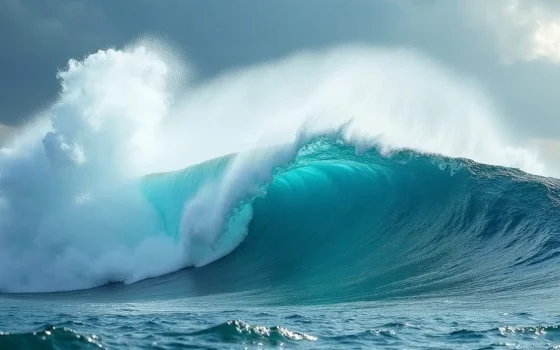
A realistic planning range for Mentawai surfing in June is about 4–8 ft on the face at the well-known reefs, with plenty of days around head-high to a few feet overhead. Stronger pulses can push exposed reefs to 8–10 ft or more. Smaller, softer days still happen, usually between swells. These are surf-face estimates, not buoy readings: a forecast that says “2 m at 14 seconds” can look very different from one reef to the next depending on how the swell bends around the islands, the tide and the shape of the reef.
Swell direction is mostly south-west, with south-south-west and south swells also common. That suits the Mentawais well, because much of the island chain presents its reefs to the south-west.
Wind
June is usually when the south-east trade-wind pattern becomes established. For many west-facing breaks that means offshore or cross-offshore conditions, often cleanest in the morning. It is not a switch that flips on 1 June, though. Because the islands are close to the equator, local winds can stay light and variable for days, and the trades are not guaranteed every morning. A good guide or skipper reads the wind as closely as the swell and picks breaks accordingly.
Weather and water
June is generally less rainy than the November–March period, but the Mentawais do not have a sharply defined dry season. Expect sunshine most days, with tropical showers or a passing squall that can swing the wind quickly. Water temperature typically sits around 27–28°C, so boardshorts or a bikini plus a rash vest is the standard kit. Some surfers bring a thin 1 mm top for windy boat rides or long sessions.
June compared with July and August
Most surfers ask the same question: is June “good enough”, or should I hold out for July? The short answer is that June is often very close in quality, with a slightly higher chance of smaller spells or less settled winds. The table below summarises the general pattern reported by forecasters and operators.
| Month | Typical surf (faces) | Wind pattern | Crowds and demand |
|---|---|---|---|
| June | About 4–8 ft, occasional 8–10 ft+ pulses | Trades becoming established; some light, variable days | Moderate to busy |
| July | About 5–10 ft, best odds of large, powerful swells | Trades usually well set | High to very high |
| August | About 4–8 ft commonly, with frequent overhead days | Trades usually set; often clean mornings | High, sometimes easing late in the month |
If your priority is the very biggest and most reliable swell, July and August still have the edge. If you want strong surf with a better chance of finding space and boat seats, June is one of the smartest months to pick. For a wider view of how the seasons fit together, see our guide to the best time of year to surf the Mentawai Islands.
Who June suits best
June works for a wide range of surfers, but not equally. Here is how we think about it:
- Confident intermediates: June is often a good fit. Swells are solid but not always at the peak-season upper end, and there are more days when mid-sized waves at the more forgiving reefs are on offer.
- Advanced and expert surfers: June delivers plenty of serious days at heavier reefs, and the slightly thinner lineups at the start of the month can mean more waves per session.
- Beginners: The main Mentawai reefs are shallow and powerful in June. Beginners should only travel with an operator that has genuinely mellow options nearby and offers proper coaching, and should be ready to sit out the bigger days.
- Mixed groups and non-surfers: Land-based stays tend to work better than boats, because partners can snorkel, rest or explore while the surfers chase waves. Our guide on what non-surfers can do in the Mentawai Islands covers the options.
Planning a June trip: resort, camp or boat
Because June is so popular, the best-located resorts and charter boats can fill well ahead. Many travellers start enquiring six to twelve months out for June to August dates. Prices vary by operator, room type and inclusions, and peak months generally sit at the top of each operator’s rate card, so always compare like for like: transfers, meals, surf boat time, guiding and the regional surf levy are not always bundled the same way.
A land base gives you comfort, a fixed routine and easier options for non-surfers. Browse our overview of Mentawai surf resort options to see how locations differ by island. If you would rather move with the swell, a charter boat lets the skipper reposition overnight, which can be a real advantage in a month where the wind is still settling. Either way, choose an operator who is open about guide-to-guest ratios, safety equipment and medical evacuation plans.
Getting there in June
Most trips route through Padang’s Minangkabau International Airport, then continue by fast ferry or a pre-arranged speedboat to Sipora or Siberut. Ferry schedules change, and rough weather can delay crossings, so build in a buffer day at each end. Travelling from Australia? Our Mentawai surf from Australia page covers flight routings and timing.
How to read the forecast for June
Forecasts are your best tool in the weeks before departure, but they are only useful if you read them the right way. Look at swell period as well as height: a 1.8 m swell at 15–17 seconds will usually produce far more powerful surf than a 2.2 m swell at 10 seconds. Check the direction too, because a south-west swell lights up different reefs than a straight south swell. Our Mentawai surf forecast guide explains how to interpret the main models and when to trust them.
Remember that a forecast two weeks out is a rough trend at best. Within about five days it becomes much more useful for packing decisions, such as whether to bring a step-up board.
Quick facts: Mentawai surfing in June
- Typical surf: around 4–8 ft faces, with occasional larger pulses at exposed reefs
- Main swell direction: south-west, with south-south-west and south swells common
- Wind: south-east trades becoming established; mornings often cleanest
- Water: roughly 27–28°C, no wetsuit needed for most surfers
- Crowds: moderate to busy, usually lighter than July and August
- Booking: many operators recommend enquiring six to twelve months ahead for peak months
Frequently asked questions
Is June a good month to surf the Mentawais?
Yes. June is widely regarded as one of the better months, combining consistent south-west swell with lighter crowds than July and August. The trade-off is a slightly higher chance of variable winds or a smaller spell between swells.
How big are the waves in the Mentawais in June?
Plan for about 4–8 ft faces at the main reefs on a typical good day, with some swells pushing exposed breaks to 8–10 ft or more. Sheltered breaks can be several feet smaller during the same swell.
Is June less crowded than July?
Usually, yes, though not empty. The famous waves still draw boats and resort guests on good swells. Early-morning sessions and less famous reefs tend to offer the most space.
Does it rain in the Mentawais in June?
Some rain is normal. June is generally drier than the wet season, but short tropical showers and squalls still occur and can change the wind quickly.
What boards should I bring for June?
Most surfers bring a daily shortboard, a slightly longer step-up for overhead days, and a spare, because reefs and boat travel claim boards. See our guide to what surfboards to take to the Mentawais for detail.
Plan your June surf trip
We are an independent planning guide to Mentawai surf holidays, not a resort or boat owner. Tell us your dates, surf level and budget and we will help you compare suitable operators and connect you directly. Message us on WhatsApp at +62 811 3941 4563 or email bd@juaraholding.com.