Is Mentawai Surfing Safe? Reef, Health, Tsunami and Evacuation Risks
On this page
- Is Mentawai surfing safe for your level?
- The reef: cuts, infections and how to avoid both
- Malaria, dengue and other health risks
- Medical care and evacuation
- Earthquakes and tsunami
- Boats, ferries and sea crossings
- Practical rules that keep most surfers safe
- Quick facts
- Frequently asked questions
- Plan a safer Mentawai trip
Is Mentawai surfing safe? For competent surfers who respect the reef, travel with an experienced operator and carry proper insurance, yes, but it is not low risk. The real hazards are shallow coral, infected reef cuts, mosquito-borne illness, long distances to hospital care, sea crossings and the region’s earthquake and tsunami exposure. Planning removes most of them.
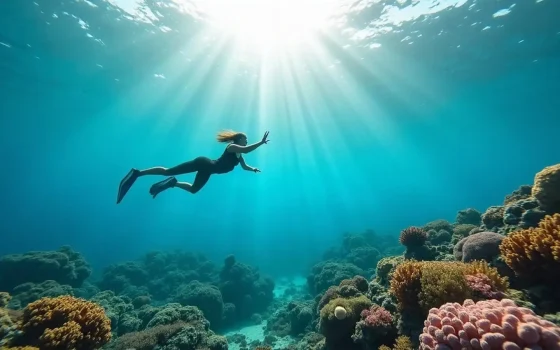
People ask whether Mentawai surfing is dangerous because the photos show thick, hollow waves breaking a few feet above live coral. That picture is accurate. The archipelago off West Sumatra has some of the most mechanical reef waves on earth, and the same reefs that shape those barrels punish mistakes. Still, thousands of intermediate and advanced surfers visit every season and go home with nothing worse than a few reef rashes. The difference between a good trip and an evacuation usually comes down to wave selection, wound care and preparation, not luck.
This guide works through each risk in turn, what actually helps, and the questions worth asking an operator before you book.
Is Mentawai surfing safe for your level?
Start with honest self-assessment. The famous breaks, including Macaronis, HTs (Lance’s Right), Rifles, Kandui and Bank Vaults, break over shallow reef and reward surfers who can make critical take-offs and pick a line through a fast section. A capable intermediate can have the trip of a lifetime here on the right days and the right waves. The same surfer can get badly hurt by paddling out at a heavy right on a big low-tide swell because the boat is anchored there.
The safest approach is to choose a trip format that matches your ability. A land-based camp or resort with a surf guide who knows the softer options gives you more control than a charter whose itinerary chases the biggest swell. If you are unsure, read our guide to Mentawai surf breaks for intermediate surfers before you commit to a boat itinerary built around expert waves.
| Wave type | Typical risk | Who it suits |
|---|---|---|
| Heavy, hollow reef rights and lefts (e.g. HTs, Kandui, Bank Vaults) | High: shallow coral, hold-downs, fast take-offs | Advanced to expert |
| Long performance walls (e.g. Macaronis on moderate swell) | Moderate: reef below, but more forgiving sections | Strong intermediate and up |
| Softer, smaller-swell reefs and points | Lower, but coral is still present | Intermediate |
| Beach breaks and inside reforms | Lowest | Progressing surfers |
The reef: cuts, infections and how to avoid both
Reef cuts are the most common Mentawai injury. Live coral is sharp, and the warm, humid climate means even small wounds can become infected within a day or two. Marine bacteria are part of the problem, so treat every cut seriously.
- Rinse the wound immediately with plenty of clean water and remove any visible coral fragments.
- Disinfect with an antiseptic such as povidone-iodine or chlorhexidine, then cover with a waterproof dressing.
- Check it twice a day. Increasing redness, swelling, pus, fever or reduced movement means you need medical attention, not another session.
- Make sure your tetanus vaccination is current before you fly.
- Do not surf with an open, deep wound, however good the forecast looks.
Prevention matters as much as treatment. Reef booties help when entering and exiting over coral. Learn the channel at each break before you paddle out, and on shallow, heavy waves consider a surf helmet. When you fall, fall flat and shallow, cover your head, and never dive head-first.
Malaria, dengue and other health risks
The US Centers for Disease Control and Prevention lists malaria as a risk in rural areas of Sumatra, which includes the Mentawai Islands. See a travel-medicine clinician before departure to decide whether prescription prophylaxis is appropriate for your exact itinerary. Dengue fever is also present across Indonesia, and there is no vaccine-based shortcut for most travellers, so bite prevention is your main defence: repellent with DEET or picaridin, long sleeves at dawn and dusk, and screened or air-conditioned rooms or bed nets. The CDC’s Indonesia travel health page is a good starting point.
Any fever during or after the trip needs prompt medical assessment, including a malaria test, even if you took tablets. Avoid aspirin and ibuprofen until dengue has been ruled out because of the bleeding risk.
Medical care and evacuation
Tuapejat on Sipora is the regency’s administrative centre and has local medical services, but they are limited. Serious injuries usually mean transfer to Padang on the Sumatran mainland, by boat or, when available, by air. There is no fixed evacuation time: weather, sea state, boat and aircraft availability and your location all change the answer. Do not assume a surf camp or village clinic can handle surgery or intensive care.
Three things reduce this risk:
- Ask your operator for its written emergency plan: who decides on evacuation, which boat is used, and how long the run to Tuapejat or Padang typically takes from that location.
- Confirm the camp or boat carries a proper first-aid kit and at least one staff member with first-aid training.
- Buy travel insurance that explicitly covers surfing, reef injuries, hospital treatment and emergency evacuation from the islands. Read the exclusions; ordinary policies may not cover remote evacuation.
Earthquakes and tsunami
The Mentawai Islands sit above one of the most active subduction zones in the world. On 25 October 2010 a magnitude 7.2 earthquake southwest of the islands generated a tsunami; Indonesian authorities reported around 450 deaths in the days that followed, mostly in villages on the Pagai islands. Most visitors never feel a significant quake, but you should know the rule: if the ground shakes strongly or for a long time, or the sea suddenly drains or rises, move immediately to high ground or inland. Do not wait for an official warning. Ask your accommodation where its evacuation route goes on the first day.
Boats, ferries and sea crossings
Most trips include a fast-ferry crossing from Padang to Tuapejat (around three and a half hours on a calm day), then speedboat transfers and daily boat runs to breaks. Sea conditions can turn quickly in the open Indian Ocean. Use licensed operators, wear the life jacket provided, keep medication and your phone in a dry bag on your person, and accept a delay if the captain says conditions are unsafe. On surf boats, stay well clear of propellers when getting on and off, especially in a current.
Practical rules that keep most surfers safe
- Never surf alone at a reef break, and tell the boat or camp where you are going.
- Watch the lineup for 15 minutes before paddling out to learn the channel and where the reef dries out.
- Match waves to tide: many reefs are much shallower and more dangerous at low tide.
- Bring a step-up board that lets you get into heavy waves early rather than late.
- Drink more water than you think you need; dehydration and sunburn are behind many tired-surfer mistakes.
- Know that “good” and “safe for you” are not the same thing on a big swell.
Quick facts
- Main hazard: shallow live coral at most of the well-known breaks.
- Water temperature: warm year-round, roughly 27 to 29°C, so hypothermia is not a concern but sunburn is.
- Health: CDC lists malaria risk for rural Sumatra; dengue is present across Indonesia.
- Nearest serious hospital care: generally Padang on mainland Sumatra.
- Seismic risk: real; the 2010 Mentawai tsunami followed a magnitude 7.2 earthquake.
- Insurance: choose a policy that names surfing and emergency evacuation.
Frequently asked questions
Is Mentawai surfing dangerous for beginners?
Most of the well-known Mentawai waves are not beginner waves. True beginners should only surf softer beach breaks or inside reforms with a coach, ideally from a land-based camp that offers them. If you are still learning to turn and read a wave, a Mentawai trip is better planned for later.
Are there sharks in the Mentawai Islands?
Reef sharks live in Indonesian waters, as they do across the tropics, but sharks are not among the risks that surf operators and travel-health sources usually flag for this region. The reef, the boats and the sun are far more relevant risks for planning.
Do I need malaria tablets for the Mentawai?
That is a decision for a travel-medicine clinician based on your itinerary and health. The CDC lists malaria as a risk in rural Sumatra, which covers the islands, so book that appointment several weeks before departure.
How far is the nearest hospital?
Basic medical services exist in Tuapejat, but significant injuries usually require transfer to Padang. Depending on where you are staying, that can take several hours or longer in bad weather, which is why evacuation cover matters.
Is a resort or a boat trip safer?
Neither is automatically safer. A land camp gives you a stable base and often a shorter route to Tuapejat; a well-run charter has a captain and crew with you all day. What matters is the operator’s experience, emergency plan and willingness to steer you to waves that suit you. Our Mentawai surf resort guide and Mentawai surf tours guide compare the formats.
For a broader overview of planning a trip, start on our Mentawai surfing homepage.
Plan a safer Mentawai trip
We are an independent planning guide, not a boat or resort owner. Tell us your level, dates and budget and we will help you shortlist operators and the right questions to ask them. Message us on WhatsApp or email bd@juaraholding.com.